Call Us Today!
(718) 275-7590
New Patients
(718) 690-9530


Nail issues are rarely just cosmetic. When a toenail digs into surrounding skin, becomes misshapen after trauma, or fails to grow back normally after surgery, the result can be chronic pain, recurring inflammation, and restricted activity. For patients who avoid open-toed shoes, reduce their activity level, or struggle with routine foot care, a reliable restorative option can be life-changing. Nail restoration offers a way to rebuild function and appearance without subjecting the toe to repeated procedures.
This approach is intended for patients who want more than a temporary cover-up. It focuses on restoring the nail plate and supporting the nail bed so future growth follows a healthier trajectory. Because the treatment is medical in nature — using clinically developed materials and techniques — it is performed in a podiatric setting where the underlying health of the toe is evaluated and managed prior to restoration.
At Tender Foot Care we prioritize treatments that reduce recurrence and restore confidence. Nail restoration can be particularly useful for people whose nails have been compromised by injury, past surgery, or chronic conditions that make normal nail growth difficult. The goal is to provide a durable, natural-looking result that reduces pain and makes everyday activities more comfortable.
Nail reconstruction uses a medical-grade composite applied directly to the remaining nail or nail bed to form a stable, anatomically appropriate nail plate. The material is biocompatible and formulated specifically for clinical use on toenails; it is not the same as salon acrylics or cosmetic overlays. Because the composite bonds to the nail structure and is cured in place, it creates a protective surface that supports correct growth and shields vulnerable tissue.
The process begins with a careful exam and history, including identification of any active infection or inflammatory conditions. When needed, infections are treated first so that restoration proceeds on healthy tissue. Once the toe is ready, the clinician sculpts the composite to match the natural contour and shade of the patient’s nails, curing it with a specialized light to create a firm, flexible finish that tolerates normal activity.
Because the material can be customized in shape and thickness, clinicians can address specific mechanical problems such as excessive curvature or abnormal nail plates. The restored nail is designed to bear normal pressure and help distribute forces across the toe, reducing the tendency for the nail edge to grow inward and irritate the skin.
One advantage of this technique is its adaptability: the composite can be trimmed or adjusted as the natural nail grows, allowing for ongoing maintenance without invasive rework. For many patients this means a single, well-planned application followed by simple follow-up visits to monitor progress and make minor refinements.
Ingrown nails happen for a variety of reasons — improper trimming, repetitive trauma from footwear or activity, congenital nail shape, or regrowth after surgery. When the nail plate exerts pressure against the adjacent skin, it creates a cycle of irritation, inflammation, and sometimes infection. Stopping that cycle requires reshaping the nail and altering the forces that push it inward.
Nail restoration redirects growth by providing a stable, anatomically correct surface that guides the nail as it grows. By supporting the lateral edges and smoothing abnormal curvatures, the restored nail reduces focal pressure points and helps the natural nail follow a healthier path. This biomechanical correction is often most effective when combined with patient education about trimming techniques and footwear choices that minimize pressure on the toes.
Because each case is different, clinicians evaluate the cause of an ingrown nail before recommending restoration. In situations where structural problems or repetitive trauma are present, restoration is paired with targeted advice and, if needed, complementary treatments so the benefits last. In short, the treatment aims to change the nail’s behavior rather than simply masking the symptoms.
Your visit begins with a focused assessment: the clinician examines the nail and surrounding tissue, reviews your history of nail problems, and checks for signs of infection or inflammation. If an infection is present, treatment is started first to ensure the area is healthy before any restorative material is applied. The intent is to create a stable environment so the composite bonds and performs as intended.
When the site is ready, the procedure itself is typically brief and well tolerated. The clinician shapes the remaining nail or prepares the nail bed, then applies a thin layer of the medical composite. That material is sculpted to match the toe and cured with a light to create a secure, flexible surface. Most patients describe the procedure as comfortable — there is no cutting or drilling involved in a typical restoration.
After the restoration, we discuss simple care steps to protect the new nail as it integrates with the natural nail growth. Guidance usually covers appropriate footwear, safe trimming habits, and signs to watch for that might suggest irritation or infection. Follow-up visits let clinicians monitor healing and make small adjustments while the natural nail grows out.
Durability varies depending on activity level and how quickly the individual’s nails grow. For many patients, a single application provides months of reliable protection and an improved appearance. When the natural nail matures, touch-ups can be done to maintain alignment and aesthetics without resorting to invasive procedures.

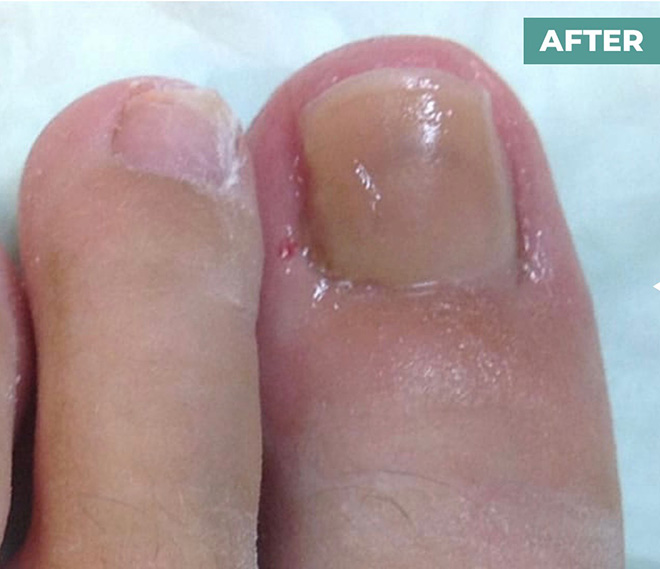
Nail restoration is most successful when it is part of a broader strategy for nail health. That includes treating any fungal or bacterial infections, addressing biomechanical contributors such as toe deformities, and advising on daily habits that reduce recurrence. Regular monitoring ensures minor issues are caught early and managed before they escalate.
Patients who spend long hours on their feet, wear tightly fitting shoes, or participate in sports that stress the toes will benefit from tailored recommendations that complement the restoration. Simple changes — choosing shoes with a roomy toe box, using protective padding, and trimming nails straight across — can extend the life of the restored nail and reduce the chance of future problems.
There are some conditions that require cautious use of restoration techniques, such as certain active infections or severe circulatory problems. During your evaluation, clinicians will determine the safest path forward and recommend alternative or adjunctive treatments when appropriate. The objective is always to restore function and appearance without compromising overall foot health.
When combined with thoughtful follow-up and preventive care, nail restoration can be a durable, confidence-restoring solution for many patients. If you’ve been avoiding activities or shoes because of nail pain or appearance, restoration offers a medically sound option to regain comfort and mobility.
Nail restoration is a clinically based option for patients seeking lasting relief from ingrown nails, trauma-related deformities, or unsightly nail loss. It recreates a stable nail surface using medical-grade materials, supports correct growth, and reduces the mechanical forces that lead to recurrence. The procedure is performed in-office after a careful assessment and, when appropriate, after treating any underlying infection or inflammation.
If you would like to explore whether nail restoration is right for you, please contact us for more information. Our team can explain the process in detail, review your medical history, and help you decide on a plan that restores both comfort and confidence.
Nail restoration is a medically based procedure that recreates a functional nail plate using a biocompatible composite applied in the clinical setting. It is intended to restore proper nail shape and protect vulnerable tissue after trauma, surgery, or chronic nail dystrophy rather than merely covering the nail for appearance. The goal is to support healthier future growth and reduce recurrent irritation or ingrown edges.
Unlike salon acrylics or cosmetic overlays, medical nail reconstruction uses materials and techniques formulated for podiatric use and is performed after a professional evaluation of the toe. The clinician assesses for infection, inflammation, circulation and biomechanical contributors before proceeding. This clinical approach helps ensure the restoration supports healing and long-term nail function rather than serving as a temporary cosmetic fix.
Candidates typically include people with nails that are misshapen after trauma, nails that regrow abnormally after surgery, chronic ingrown edges, or nails damaged by repeated mechanical stress. Patients who avoid open-toed shoes, limit activities because of nail pain, or have difficulty with routine nail care often benefit from a restorative option. Each candidate requires an individualized evaluation to identify underlying causes and suitability for restoration.
Certain medical conditions such as active severe infection, poor circulation, or advanced neuropathy may require treatment or alternative approaches before restoration is considered. Diabetic patients and others with circulatory concerns can be evaluated, but the clinician will confirm tissue health and healing potential first. When appropriate, restoration is combined with targeted advice and adjunctive therapies to maximize success.
Medical nail reconstruction uses a specially formulated, biocompatible composite that bonds to the remaining nail or nail bed to form a stable nail plate. The material is sculpted to recreate natural contour and shade and then cured in place with a clinical light to produce a firm but flexible surface. This composite is distinct from cosmetic salon products and is selected for clinical performance on toes subjected to daily forces.
Clinicians customize the shape, thickness and curvature of the restored nail to address mechanical problems such as excessive curvature or abnormal plates. Because the composite can be trimmed and adjusted as the natural nail grows, maintenance is noninvasive and can be performed during routine follow-up. The technique focuses on both protection and biomechanical guidance to promote healthier regrowth.
Nail restoration redirects growth by providing a stable, anatomically correct surface that guides the natural nail as it grows, reducing lateral pressure on adjacent skin. By supporting the nail edges and smoothing abnormal curvatures, the restored plate decreases focal pressure points that commonly initiate the cycle of irritation and inflammation. This mechanical correction helps interrupt the processes that lead to recurrent ingrown nails.
Successful prevention often combines restoration with patient education on trimming technique, footwear choices and activity modifications that reduce toe trauma. Clinicians evaluate the root causes of an ingrown nail and, when necessary, address structural contributors or repetitive forces that would otherwise negate the benefits of restoration. The intent is to change nail behavior rather than simply mask symptoms.
Your visit begins with a focused assessment of the nail, surrounding skin and overall toe health, including a review of prior treatments and symptoms. The clinician checks for signs of infection or inflammation and treats any active infection before applying restorative material to ensure a healthy foundation. A clear plan is discussed so you know the sequence of care and follow-up needs.
When the toe is ready, the procedure is typically brief and performed in the office without cutting or drilling in most cases. The clinician prepares the nail or bed, sculpts the composite to match the toe, and cures it with a specialized light to create a secure finish. After the procedure you will receive specific care instructions and a plan for monitoring and minor adjustments as your natural nail grows.
The procedure is generally well tolerated and does not involve routine cutting or drilling of the nail plate, so significant pain is uncommon. Local anesthesia is rarely required for a typical restoration, though the clinician will address comfort measures based on individual needs. Patients usually experience minimal discomfort during and after the application.
Activity restrictions are minimal in most cases, but protective footwear and sensible modifications are recommended while the restored nail integrates and as healing progresses. Avoiding prolonged moisture, repetitive toe trauma and tight shoes will help the restoration last and reduce complications. The clinician will provide tailored aftercare and advise when to return for follow-up or touch-ups.
Durability varies with individual nail growth rate, activity level and how well aftercare recommendations are followed, and many patients enjoy months of improved protection and appearance from a single application. The composite can be maintained with routine trims and occasional touch-ups as the natural nail grows out. Regular monitoring ensures that small issues are corrected before they progress.
Follow-up visits allow clinicians to make minor refinements, recontour the restoration if needed, and reassess underlying contributors such as footwear or toe mechanics. Incorporating preventive measures like roomy toe boxes, protective padding, and proper trimming habits extends the life of the restoration. When adjustments are needed they are typically noninvasive and performed in office.
Active fungal or bacterial infections are addressed before restoration to create a healthy environment for the composite to bond and perform effectively. Depending on the infection type and severity, treatment may include topical therapy, oral medication, or debridement before reconstruction is considered. Proceeding on infected tissue increases the risk of failure and recurrent problems, so infection control is a priority.
Once the clinician confirms the infection is adequately controlled and the surrounding tissue is healthy, restoration can proceed as part of a comprehensive strategy. In some cases restoration is combined with ongoing antifungal precautions and surveillance to reduce recurrence. The individualized plan balances cosmetic and functional goals with safe clinical practice.
Risks are generally low but can include poor adhesion of the composite, localized irritation or allergic reaction to the material in rare cases, and the potential for recurrent nail problems if underlying causes are not corrected. Performing restoration on actively infected or poorly perfused tissue increases the chance of complications and poor outcomes. Proper patient selection and preprocedure management minimize these risks.
Contraindications include uncontrolled severe infection, significant circulatory compromise, or advanced neuropathy where healing and sensation are impaired. The clinician will evaluate blood flow, sensation and overall foot health during the assessment and recommend alternative or adjunctive treatments if restoration is not appropriate. The emphasis is on restoring appearance and function without compromising long-term foot health.
Schedule an evaluation at the office of Tender Foot Care so a clinician can examine your nail, review your medical history and identify any factors that affect healing and long-term success. The assessment determines whether restoration is appropriate, whether infections or biomechanical contributors need treatment first, and what maintenance will be required. This personalized approach helps ensure the chosen plan addresses both function and appearance.
If you decide to proceed, the team will outline the procedure, aftercare and follow-up schedule and coordinate any additional treatments needed to support durable results. For more information or to arrange an appointment, you may call the practice at (718) 275-7590 for existing patients or (718) 690-9530 for new patient inquiries. A clear plan and ongoing monitoring are key to achieving a safe, lasting outcome.
